
To forage, to go out and seek, involves more than bringing home plants in a bag.
Often when I forage, I don’t pick any plants at all. I gather information, feeling into the land and the interaction of ground and sky. I seek out the tucked away small places and learn where the wild lilies live on the hillside, their blooms always tied to Easter; where trout lilies carpet the forest floor, tucked onto the S-curve of a streamside trail, leopard spotted leaves and golden yellow flowers ephemerally heralding Spring’s arrival.
In my thirties, I lived next to a state park. Acres and acres of land to pretend I belonged to. Not the other way around, lol. At the river by the trail, I would recline in the stone chair that I always imagined women birthing in. My worn, barely holding together, lichen covered chair was a wide arrangement of rocks, situated to create a seat complete with back, arm rests and a gradual down-turning slope below the seat for the ease of the one catching the new baby. I can find no evidence that this was ever a birthing chair, but I do know that across the country, far away from North Carolina and Durham’s Eno River many years later, I was taken on a trail above Boulder, Colorado and shown another chair uncannily similar to mine. Their interpretation of the chairs’ use, of course, concurred with mine.
This is foraging. Gleaning information and energy and stories from the land and plants and the stones themselves. First person knowledge.
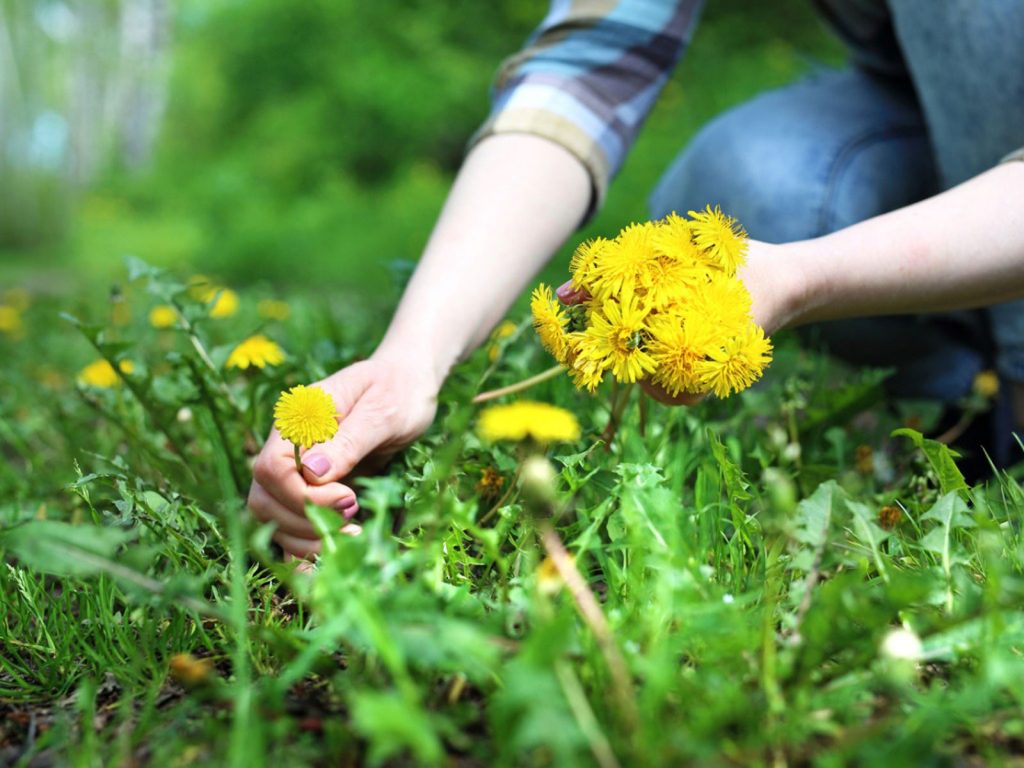
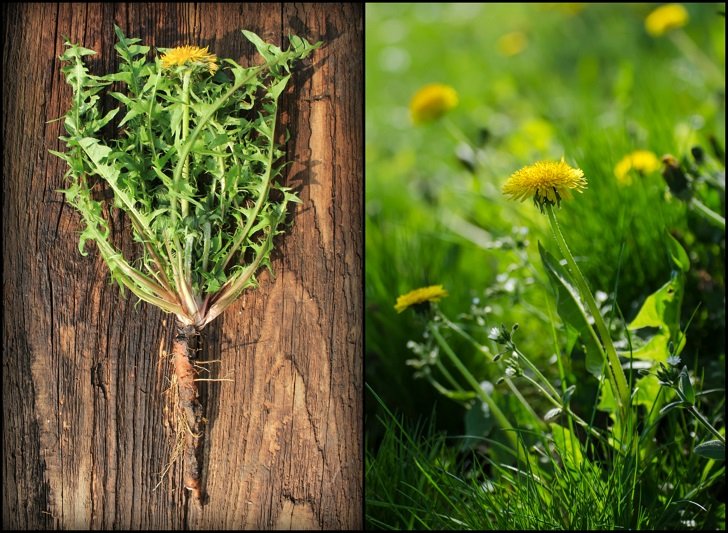
Of course, it’s necessary to read and study and learn what others say and feel about the plants. We must know which plants may harm and which may help before we interact intimately with them. Never, ever, ingest any plant until you are 110% sure of its identity. Poison hemlock looks an awful lot like wild carrot to the uninitiated eye. As a young girl in the grocery store, I was sent to look for a head of lettuce and came back with a cabbage. Green, round…to the untrained eye easy to confuse. You get my drift. My next post will be a detailed one on how to identify a dandelion. If in doubt, shoot me a picture and I’ll confirm.
And as a general rule when I forage, I usually offer a gift in gratitude for the abundance that Nature generously shares with me. A song, my hair, tobacco, cornmeal…given in return to Her, acknowledging the huge appreciation in my heart for all that She provides to us so graciously.
In our demo on 3/31 (information listed below) we will be preparing a tincture of dandelion root. If you are able to go out and dig your own, that’s great. We will need about 2/3 of a pint jar full of fresh, cleaned root, coarsely chopped. In the spirit of meeting you where you are, if you are unable to dig your own fresh plant and want to play along, drop me a PM via Facebook or an email (see below) with your address and I will send you an ounce of dried dandelion root via snail mail and you can make a tincture from dried plant.
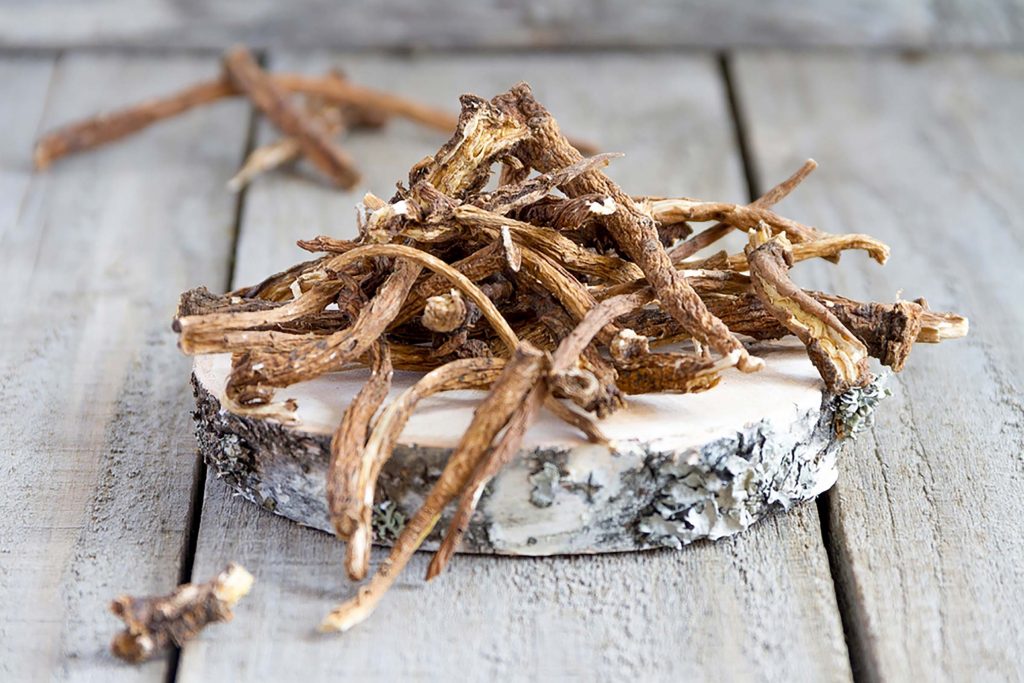
We’ll talk about the differences between using fresh and dried plant in class. I will try to get packages out by Wednesday Mar 24. Any requests received after that will be sent as soon as I can but may not arrive in time for class. The Post Office has been struggling in my neighborhood lately.
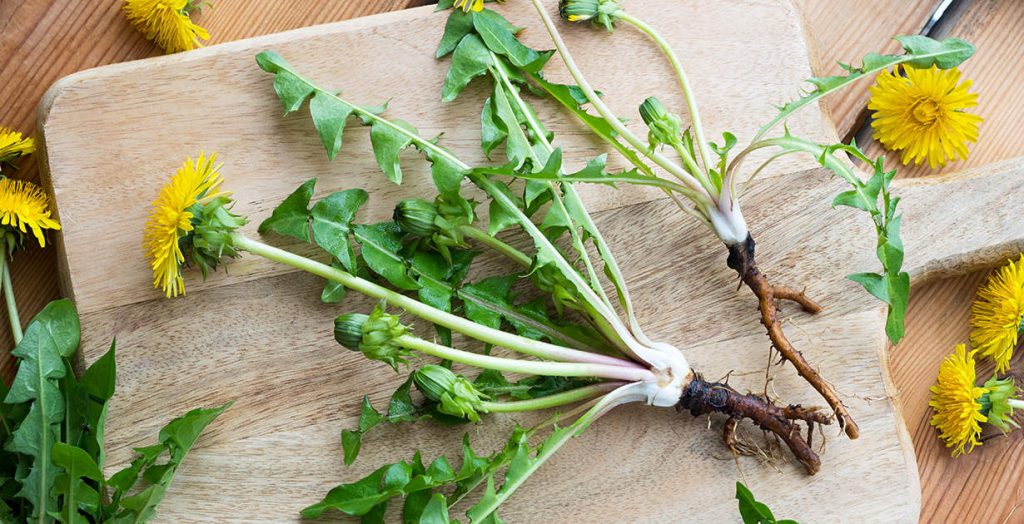
I encourage you to dig your own if you have access to pristine plants. Feel the soil on your hands. Beneficial microbes that may alleviate depression live there. Appreciate the effort you must put forth to pull that long dandelion taproot from deep down inside the earth. Smell the scent of dark earth and acknowledge the creatures that work to create the soil on which life depends. Work for what you are taking.
The rules of foraging also dictate where we do and don’t procure plants. In general, avoid collecting plants from roadsides, railroads, residences, and run-off areas (The Four Rs). Roadside plants are contaminated with petroleum and other chemicals from cars and trucks; railroads use creosote/chemically treated ties and spray to keep weeds down along their lines. Residences (unless your own and you know the history) can be treated with a variety of chemicals and folks aren’t always knowledgeable or helpful about sharing that information. Run-off (next to parking lots, for example) and disturbed areas (like construction sites) can easily become contaminated. There can be rules and laws against gathering in parks so know the legal status before you pick. Also, cities may spray for weeds in parks, so again, know your land. Signs may be posted prior to herbicide application, or you may contact your city/county government to inquire about its pesticide and herbicide policies.
This is part of the land stewardship we assume in return for harvesting Nature’s bounty. Get involved in your local open space/neighborhood park group (you’d be surprised how many are out there in Facebook land!) Reach out, sign the petition to Save Guilford Woods (~10 acres of hardwoods next to the University of Maryland in College Park) that is slated for development down the road from my house. https://saveguilfordwoods.wordpress.com/petition-to-save-guilford-woods/ Rip out invasive plants where you find them. Plant native plants for the insects that live on them. If you don’t know what’s native and what’s invasive, let’s talk! I am taking Maryland’s Master Gardener training and can provide tons of resources and access to educational materials. Small things that individuals can do to impact a larger picture always make me smile.
Looking forward to seeing you all on the 31st. It will be an honor to share time and space with you.
Dig Deep & Fondly Forage,
Angie Porter, Herbalist & Integrative Pharmacist
angela.porter.maryland@gmail.com
yourtantricherbalist.com coming soon!
&
Lara Blackin, Tantric Educator, Master Gardener & Herbal Alchemist , Host at Temple in the Trees lara@tendrilsofgreen.com
ourtempleinthetrees.com
Register for our Event:
Foraging & Seasonal Tincture Creation | March Women’s Circle
🌿 A botanical harvest of health! Learn to make a seasonal tincture together under the full moon.
🌿 Wednesday March 31st 7:30-9:30pm EST
🌿 Online live event
Register on Eventbrite: